

Skip to content
Cardiologist discussing an ECG report with a patient

Treatment

Cardiac carecare in India

Get your reports and scans reviewed, compare treatment options and plan heart care with accredited hospitals and experienced cardiac teams.

Begin here

Request a care plan

First name
Last name
Email
WhatsApp / phone
How soon are you looking to travel?

We never share reports with a hospital until you say so. No obligation to travel.

  • JCI / NABH

    Partners

  • 48h

    Case review

Overview

Cardiac care, explained

Cardiac care covers the diagnosis and treatment of conditions affecting the heart and blood vessels. Treatment ranges from medicines and lifestyle changes to angioplasty, bypass surgery and valve procedures, and the right option depends on your tests, symptoms and overall health.

Cardiology consultation reviewing heart test results

Pathways

Types of cardiac care

The right option depends on your diagnosis, test results, symptoms and general health.

  • 01

    Coronary artery disease care

    Assessment and treatment for narrowed or blocked heart arteries, including medicines, angioplasty and bypass surgery.

  • 02

    Heart valve care

    Evaluation and treatment of valves that leak or do not open fully, including repair or replacement.

  • 03

    Heart rhythm care

    Diagnosis and treatment of irregular heartbeats, including medicines, ablation and device implants.

  • 04

    Heart failure care

    Medicines, device therapy and, in selected cases, surgery to support a weakened heart.

  • 05

    Congenital and structural heart care

    Assessment and treatment of heart conditions present from birth or involving heart structure.

  • 06

    Preventive cardiology

    Risk assessment, screening and lifestyle guidance to help reduce the chance of heart disease.

Treatments

Common cardiac procedures

A cardiac specialist should explain the benefits, risks, alternatives and likely recovery for your case.

  1. 01

    Coronary bypass surgery (CABG)

    Surgery that creates new routes for blood to reach the heart muscle around blocked arteries.

  2. 02

    Heart valve replacement or repair

    Treatment for a damaged valve using repair techniques or a mechanical or tissue valve.

  3. 03

    Angioplasty and stenting

    A procedure to open narrowed arteries and place a stent to help keep them open, in selected cases.

  4. 04

    Coronary angiography

    An imaging test that shows blockages in the heart arteries.

  5. 05

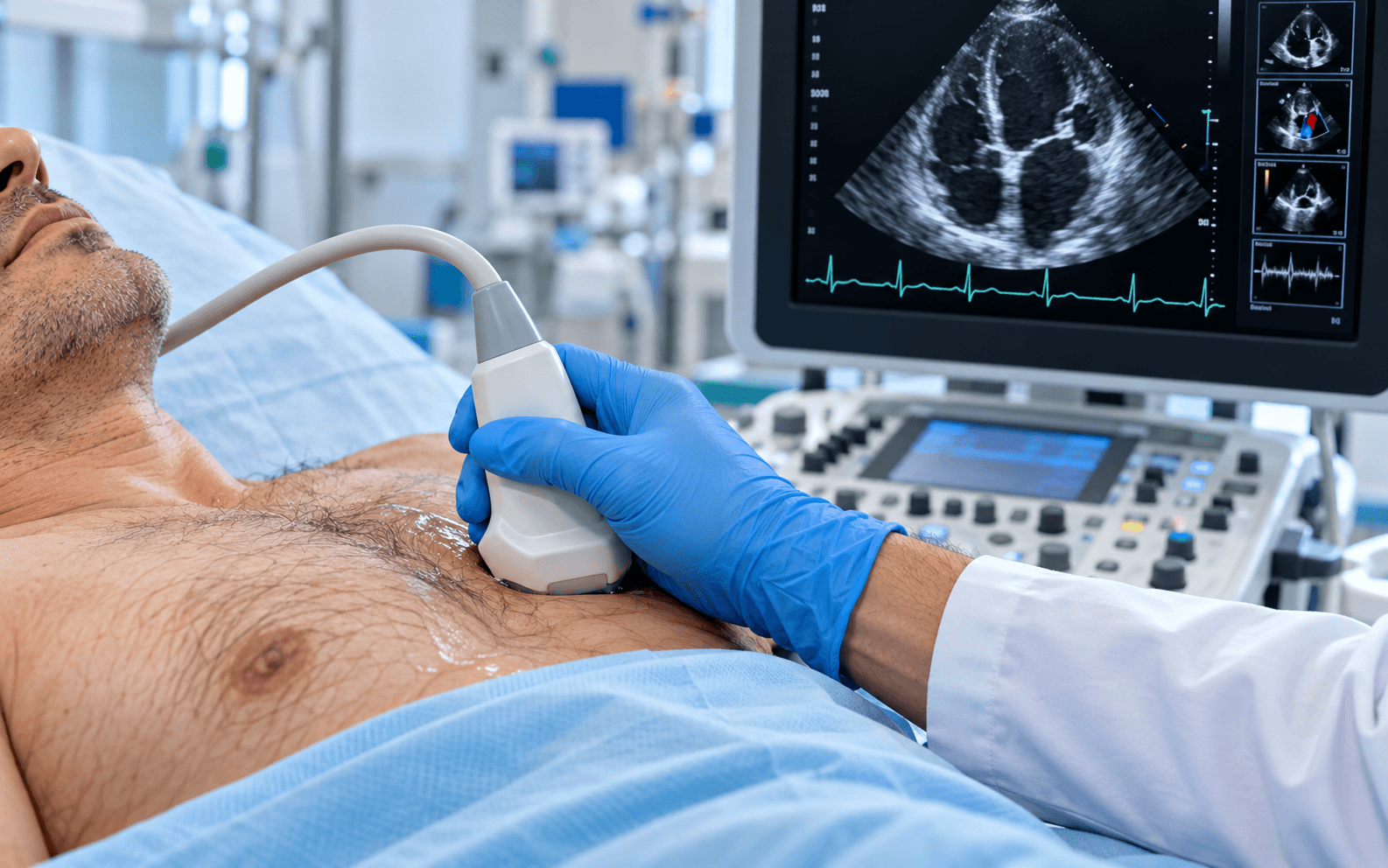
    Echocardiography

    An ultrasound scan that shows heart structure, valve function and pumping strength.

  6. 06

    Pacemaker and defibrillator implantation

    Devices used to manage certain rhythm problems, in selected patients.

  7. 07

    Catheter ablation

    A procedure to treat selected abnormal heart rhythms.

  8. 08

    Cardiac CT and MRI

    Detailed imaging used when more information is needed.

  9. 09

    Congenital heart surgery

    Surgical correction of selected heart conditions present from birth.

  10. 10

    Cardiac rehabilitation

    A supervised programme of exercise, education and support after treatment.

Care desk

How MedMax can help

Cardiac treatment is tailored to each patient after clinical review of symptoms and test results. MedMax helps you organise the information and questions you need to make that decision.

  1. 01

    Help you share relevant reports, ECGs, echocardiograms, angiograms and scans for specialist review.

  2. 02

    Clarify proposed treatment options and request an itemised written estimate from the hospital.

  3. 03

    Help you plan hospital stay, recovery, travel timing and follow-up care.

Causes

Common causes and risk factors for heart problems

  1. 01

    High blood pressure and high cholesterol

  2. 02

    Diabetes and obesity

  3. 03

    Smoking and tobacco use

  4. 04

    Family history, age and previous heart conditions

  5. 05

    Physical inactivity, stress and an unhealthy diet

Treated

Heart concerns a cardiologist can assess

  • Chest pain or pressure on exertion
  • Shortness of breath or reduced exercise tolerance
  • Palpitations or an irregular heartbeat
  • Swollen ankles or unexplained fatigue
  • Heart murmur or known valve disease
  • Blocked arteries found on tests

Procedures

Treatment options

  • Examination, ECG, echocardiography and other tests when indicated
  • Medicines and lifestyle changes
  • Angioplasty, stenting or catheter-based procedures
  • Bypass surgery, valve surgery or device implantation

Why this pathway

Why timely cardiac assessment matters

  • 01

    Heart tests can find problems before they cause serious symptoms.

  • 02

    Early assessment may open up non-surgical options and help reduce the risk of complications.

  • 03

    A written plan helps you compare treatments, hospital stay, recovery time, costs and aftercare.

Timing

When to see a cardiologist

  1. 01

    Book an appointment for chest discomfort on exertion, breathlessness, palpitations, dizziness, or a known heart condition that needs review.

  2. 02

    Seek urgent medical care for new or worsening chest pain, fainting, or breathlessness that is getting worse.

  3. 03

    Call emergency services immediately for chest pain with sweating or pain spreading to the arm or jaw, sudden severe breathlessness, or signs of stroke. Do not travel or wait for an online enquiry.

After the theatre

Recovery and aftercare

  • Follow your cardiac team’s instructions on medicines, wound care, activity and follow-up visits.
  • Attend cardiac rehabilitation as planned; supervised exercise is a major part of recovery.
  • Take prescribed medicines exactly as directed and do not stop them without advice.
  • Ask your doctor when it is safe to fly home and how to reduce clot risk during travel.
  • Arrange follow-up tests and review with your doctor at home.

Stay on

Need nights after discharge?

Guest house, service apartment, or a hotel near campus — arranged as Recovery, not a tourist add-on.

See Recovery

Choosing the right cardiac care

Many heart procedures are planned, which gives you time to compare options. Share your records, ask for a written plan, and confirm the surgeon, hospital and accreditation before you decide. If your symptoms are new or getting worse, seek medical care near you first.

What to ask before treatment

  • What is my diagnosis, and what are the treatment alternatives?
  • Is my condition stable enough for travel?
  • What are the surgeon’s qualifications and experience with this procedure?
  • Which valve, graft or device will be used?
  • What is included in the written estimate, and what is not?

Specialist review before you travel

Send your reports and scans for review so you have a clearer plan, realistic expectations and a list of questions before any decision about travel

Get a second opinion on your heart reports

Share your reports and we’ll help you organise a specialist review. Suitability for any treatment is decided after clinical assessment

Questions

Before you pack

Broader India travel questions live on Medical, Wellness, and Ayurveda.

What cardiac treatment do I need?

It depends on your symptoms, examination and tests such as ECG, echocardiography or angiography. A cardiologist can explain the diagnosis and compare suitable options, including non-surgical ones.

How much does cardiac treatment cost in India?

Costs vary by procedure, implant or valve type, hospital, room category and complexity. Ask for an itemised written estimate after assessment; this page does not promise a fixed price.

Do I always need surgery?

No. Many heart conditions are managed with medicines, lifestyle changes or catheter-based procedures. Surgery is considered when these are not enough or when the condition requires it.

Is it safe to travel for heart treatment?

It depends on your condition. Some patients are stable enough to travel for planned treatment, while others need urgent care close to home. Your cardiologist must advise on fitness to travel.

How long is the recovery after heart surgery?

It varies by procedure and patient. Your cardiac team can give a case-specific timeline for hospital stay, rehabilitation and return to normal activities.

Can I send my reports for an opinion before travelling?

Yes. You can share reports, ECGs and imaging for review, and the treating team will advise on any further tests needed.

When can I fly home after treatment?

Timing depends on the procedure and your recovery. Ask your doctor about clot-prevention steps and any travel restrictions.

What follow-up care will I need back in the US?

You may need medicines, tests and review with a local cardiologist. Ask the hospital for a discharge summary, operative notes and test reports to share with your home clinicians.

How can I keep my heart healthy?

Stay active, eat a balanced diet, avoid tobacco, manage blood pressure, cholesterol and diabetes, and attend recommended check-ups.

Comparator

See exactly how much you'll save

Typical published self-pay bands — not a personal quote. Start a case when you want numbers written for your file.

87%

About $41,800 on a typical knee replacement vs United States.

At home
$48,000
3–9 months
In India
$6,200
1–3 weeks
Start your case for a written quote

Ready?

Cardiac care at a glance

No hospital sees the file until you approve a match. A care manager acknowledges the same day.

  • Specialist review of your heart reports and scans
  • Written, itemised treatment estimates
  • Hospital stay and rehabilitation planning
  • Guidance on travel timing and follow-up at home

Prefer to talk first? +91 94935 34343

Your details

Request a care plan

One business day to reply — usually a checklist or specialist match.

First name
Last name
Email
WhatsApp / phone
Treatment interest
How soon are you looking to travel?
Brief medical note

We never share reports with a hospital until you say so. No obligation to travel.